Canada’s Craft Cider Renaissance Finds Its Roots in Ontario Orchards
2025-11-17 · By Natalie Chen
Artisanal cider producers are breathing new life into regional agriculture, blending tradition with bold experimentation that reflects Canada’s changing tastes.
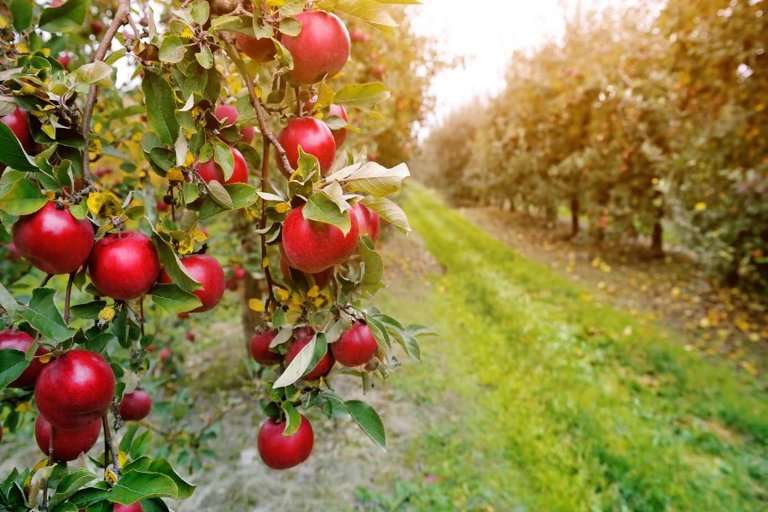
In the rolling farmlands of Ontario, a quiet revolution is fermenting — one rooted in apples rather than grapes. Across the province, small-batch cider makers are reviving an industry that nearly vanished a century ago. Blending traditional techniques with modern flair, Canada’s craft cider movement has blossomed into a defining chapter in the country’s growing beverage culture.
The resurgence began in the early 2010s, when farm-based producers saw potential in forgotten orchards. Today, operations like West Avenue Cider and Revel Cider lead a new wave of experimentation, creating complex blends that rival fine wines and craft beers. “Cider lets us tell a story about place,” says cidermaker Chris Haworth. “Every apple, every season, tastes different.”
Unlike mass-produced versions, craft cider celebrates diversity. Small producers use heritage apple varieties — names like Northern Spy, Russet, and Kingston Black — each bringing unique acidity and aroma. Many also incorporate local botanicals or wild fermentation techniques, giving each batch a distinct regional fingerprint. The result is an evolving art form that captures the spirit of Ontario’s soil.
Consumers have taken notice. According to the Ontario Craft Cider Association, local cider sales have grown by more than 300 percent in the past decade. What was once an afterthought on bar menus is now featured alongside fine wines and craft ales. “Cider has earned its seat at the table,” says Toronto sommelier Amanda Bishop. “People are realizing it’s not just sweet — it’s sophisticated.”
Beyond taste, sustainability drives much of the movement. Many cideries operate as closed-loop systems, where leftover pomace is composted, packaging is reused, and ingredients are sourced from nearby farms. Some even power their facilities with solar energy. “It’s about honouring the land,” says Haworth. “We’re stewards before we’re brewers.”
Tourism has followed naturally. Ontario’s cider routes now draw visitors eager to sip directly from the source. Weekend tours weave through Caledon, Prince Edward County, and Niagara, blending pastoral charm with modern tasting rooms. The experience bridges rural and urban life — an easy day trip from Toronto that feels a world apart.
The creative momentum extends beyond the orchard. Mixologists in Toronto are using cider as a base for cocktails, while restaurants pair it with everything from seafood to charcuterie. Culinary schools have even begun teaching fermentation-focused programs, acknowledging cider’s growing role in Canada’s gastronomic identity.
Despite its rise, the industry remains deeply collaborative. Cider makers frequently share equipment, techniques, and even harvests to overcome logistical challenges. “There’s competition, but it’s friendly,” laughs Bishop. “We all want to see Canadian cider reach its potential — and it’s just getting started.”
As the sun sets over Ontario’s autumn orchards, barrels quietly bubble with possibility. The craft cider renaissance represents more than a drink trend — it’s a return to heritage, patience, and respect for nature’s rhythm. In every pour, there’s a taste of renewal — crisp, grounded, and distinctly Canadian.