Wellness by the Lake: Why More Torontonians Meditate Outdoors
2025-11-10 · By David Laurent
From waterfront parks to quiet corners in High Park, mindfulness sessions under open skies are helping residents reconnect with both nature and themselves.
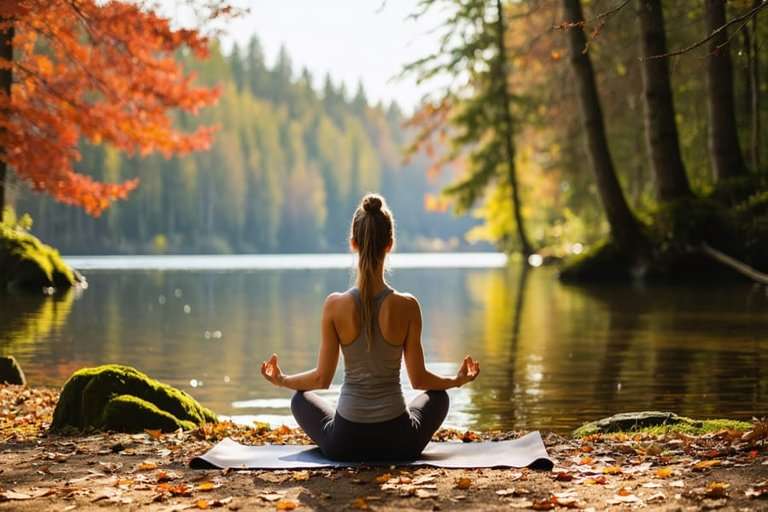
On early mornings along Toronto’s waterfront, before the traffic hum begins, clusters of people can be seen sitting quietly on yoga mats, facing the lake. The gentle sound of waves against the breakwall replaces alarms and notifications. Outdoor meditation, once a fringe wellness activity, has become a growing ritual among Torontonians seeking calm in a fast-moving city.
The shift began subtly during the pandemic, when parks became sanctuaries for both solitude and social distance. What started as necessity evolved into habit. “We realized nature was the safest place to breathe,” says mindfulness instructor Lauren Kim, who hosts sessions at Humber Bay Park. “Now, even with restrictions long gone, people keep coming back — it’s their reset button.”
Across Toronto, guided outdoor meditation groups have sprung up in locations once reserved for joggers and dog walkers. From the beaches of Ashbridges Bay to the quiet lawns of High Park, wellness circles blend breathing exercises with urban scenery. The open air provides something studios can’t: an immediate connection to the elements and an awareness of impermanence that deepens the practice.
Psychologists note that the trend reflects more than a fitness fad — it’s a response to collective burnout. Dr. Meera Patel, a Toronto-based therapist, observes that many professionals are turning to mindfulness not as luxury, but as survival strategy. “For people overwhelmed by screens, schedules, and isolation, mindfulness outdoors feels like reclaiming control over time and attention.”
Science supports what practitioners already feel. Studies from the University of Toronto’s Department of Psychology show that spending even 20 minutes in green space reduces cortisol levels by up to 30 percent. Combined with meditation, these effects multiply, leading to improved focus, lower anxiety, and stronger emotional resilience — outcomes increasingly sought by younger Canadians navigating modern pressures.
Local businesses have also tapped into the movement. Boutique wellness brands now host lakeside mindfulness events and “silent mornings” featuring guided breathwork, herbal tea tastings, and light movement. Many participants describe these experiences as restorative escapes without leaving the city. “It’s our version of a weekend retreat — just shorter,” laughs attendee Jordan Fields, a graphic designer who joins sunrise sessions twice a week.
Even the city’s Parks and Recreation department has noticed the change. In response to rising interest, officials have introduced quiet zones in select public areas, reducing noise from maintenance vehicles and events during peak morning hours. “Toronto is learning how to be still,” said spokesperson Elena Brooks. “It’s about balancing activity with awareness.”
Yet, challenges remain. Seasonal weather and accessibility can limit participation, especially during winter. Some instructors adapt by encouraging “mindful walking” along sheltered paths or organizing short meditations near frozen lakes. The resilience of the community — and its willingness to adapt — mirrors the mindfulness philosophy itself: presence without resistance.
For many, outdoor meditation has become a metaphor for urban living done differently. Amid high-rises and constant movement, stillness now feels radical — even necessary. The lake, once viewed as the edge of the city, has become its emotional centre, a reminder that peace doesn’t always require distance, only attention.
As the sun rises above the horizon, Toronto’s meditators open their eyes to soft pink light shimmering across the water. It’s a fleeting moment, but for them, it’s enough — proof that clarity can exist in chaos. In a city that never truly stops, mindfulness has found its rhythm on the shoreline.