From Waste to Wonder: Toronto’s Push for Circular Design
2025-11-18 · By Isabella Fraser
Local innovators are turning discarded materials into useful products, reshaping how the city thinks about consumption and sustainability.
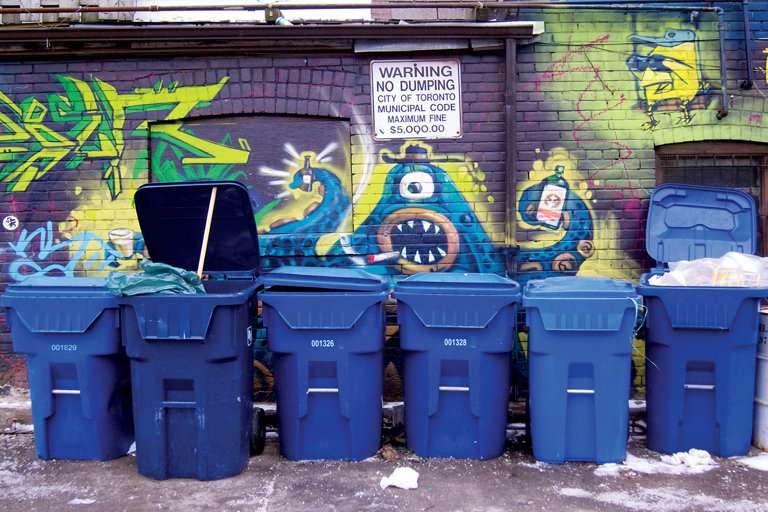
In Toronto’s creative districts, what once would have been discarded is now being reborn. From fashion studios to architecture firms, the concept of circular design — reusing and repurposing materials rather than producing waste — is gaining traction. The movement marks a quiet but powerful shift in how the city thinks about sustainability and innovation.
Circular design isn’t just about recycling; it’s about reimagining the entire life cycle of a product. “We look at waste as raw material,” says industrial designer Aisha Mahmood, founder of the startup ReForm Studio. Her team transforms discarded plastics and textiles into modular furniture, blending environmental responsibility with aesthetic ambition. “In a city like Toronto, resources are everywhere — you just have to see them differently.”
The push for circularity has found strong footing in the city’s design community. Initiatives like The Bentway’s “Material Exchange” and the Circular Economy Lab at MaRS Discovery District have brought together creators, scientists, and policymakers to rethink consumption. Their shared goal: keep materials in use longer, reduce dependence on imports, and close the loop on waste.
Architects are also rethinking the built environment. Instead of demolishing outdated structures, firms are salvaging beams, bricks, and glass to create hybrid projects that preserve Toronto’s history while meeting modern efficiency standards. “Demolition is no longer progress,” says architect Roberto Cantu. “Transformation is.” His firm’s recent renovation of a Leslieville warehouse used 75 percent reclaimed materials.
For small businesses, circular design presents both opportunity and challenge. The upfront costs of sourcing, cleaning, and certifying reused materials can be steep, but long-term savings — financial and environmental — often outweigh them. The City of Toronto’s Circular Economy Strategy, introduced in 2021, aims to ease this burden through incentives and grants for creative reuse.
Artists have embraced the ethos as well. In neighbourhoods like Kensington Market and the Junction, galleries are showcasing sculptures, furniture, and fashion crafted entirely from recovered materials. These pieces blur the line between art and activism, offering tangible proof that sustainability can be beautiful. “The story behind the object is as important as the object itself,” says gallery curator Olivia Chen.
Consumers are responding. A growing number of Torontonians now choose to repair, rent, or repurpose rather than replace. Vintage markets and tool libraries have seen record participation, while repair cafés have popped up across the city. “People are realizing that creativity doesn’t always mean consumption,” notes Mahmood. “It can mean care.”
Toronto’s embrace of circular design signals a broader transformation — one that aligns environmental stewardship with cultural identity. In turning waste into wonder, the city is not only conserving resources but redefining progress. Each reused object, each restored space, becomes a quiet symbol of resilience — proof that innovation can grow from the remnants of the past.