The Quiet Revolution of Electric Ferries on Lake Ontario
2025-11-09 · By Ethan Roy
A new generation of battery-powered ferries could redefine cross-lake transport, bringing cleaner energy and lower emissions to Toronto’s busy waterfront.
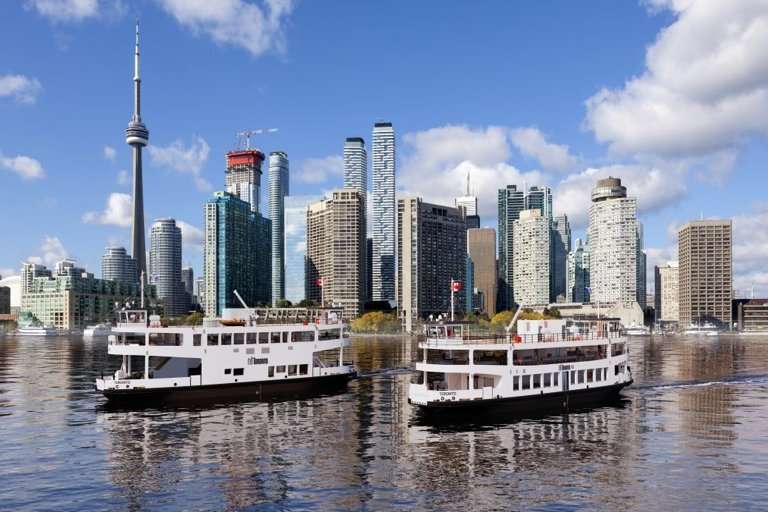
At dawn on Toronto’s waterfront, the hum of engines has grown softer. The city’s first fully electric ferry, the Marilyn Bell I, glides silently across Lake Ontario, linking downtown to the island airport. It’s more than a transportation upgrade — it’s a symbol of how innovation, sustainability, and civic pride are converging on Canada’s busiest inland shoreline.
For decades, Toronto’s ferries have been an essential part of local life, ferrying commuters, tourists, and supplies to the Toronto Islands. But their diesel engines were also a source of pollution, emitting thousands of tonnes of carbon dioxide annually. Now, a fleet electrification initiative led by PortsToronto is rewriting that legacy. “It’s a commitment to clean mobility and future-forward infrastructure,” says PortsToronto CEO RJ Steenstra.
The project was not a simple switch. Engineers spent years designing a hybrid charging system that could handle Toronto’s unpredictable weather and high passenger volume. Using shore-based power drawn from renewable sources, the vessels recharge during loading times, minimizing downtime. The result: zero tailpipe emissions and a reduction in annual operating costs.
The Marilyn Bell I, named after the first woman to swim across Lake Ontario, now operates with near-silent propulsion. Its conversion to electric power eliminated the need for over 110,000 litres of diesel fuel per year. Passengers describe the new journey as peaceful — the skyline glides by with only the sound of waves and distant gulls. “It’s surreal,” says commuter Leah Parker. “You realize how noisy we’ve let the world become.”
Toronto’s initiative is part of a global maritime trend. From Scandinavia to British Columbia, electric and hybrid ferries are being deployed as governments race to meet emission reduction targets. Canada’s federal infrastructure programs have begun allocating funds specifically for low-emission vessels, with Toronto serving as a key pilot for inland waterways.
Environmental advocates view the project as a turning point for public transportation policy. “The technology is proven — what matters now is scale,” notes Green Marine analyst Patrick Dube. He points out that beyond cleaner air, electric ferries can drastically reduce noise pollution, improving conditions for both residents and marine wildlife along the waterfront.
Behind the scenes, local engineers and shipbuilders have been instrumental in shaping the transition. The retrofitting process at the Toronto Drydock employed more than 60 tradespeople, blending traditional shipwright skills with cutting-edge battery and automation technology. For many, it marked a rare moment where innovation aligned with craftsmanship and community benefit.
Challenges remain, including the high initial cost of battery systems and the need for expanded charging infrastructure. However, project planners argue that long-term gains — lower fuel costs, cleaner air, and quieter harbours — far outweigh the obstacles. Several neighbouring municipalities, including Hamilton and Kingston, are already exploring similar programs inspired by Toronto’s success.
Public enthusiasm has exceeded expectations. Weekend ridership to the islands has surged, partly driven by curiosity to experience the new technology firsthand. Waterfront businesses report higher foot traffic and renewed interest in eco-tourism. “It’s an attraction in itself,” says restaurateur Marie Beaudoin. “People love the idea of travelling quietly across the lake.”
As more ferries prepare for conversion, the electric fleet represents more than progress — it’s a glimpse of a sustainable future. The transformation of Toronto’s harbour from diesel to electric mirrors the city’s broader ambition to become a leader in climate innovation. Each silent crossing on Lake Ontario whispers the same message: change can be beautiful when it moves with purpose.