The Fermentation Boom: How Toronto Chefs Are Cultivating Bold Flavors
2025-11-02 · By Marcus Pelletier
From small kitchens to high-end restaurants, chefs are embracing ancient techniques to craft complex, sustainable dishes that speak to modern palates.
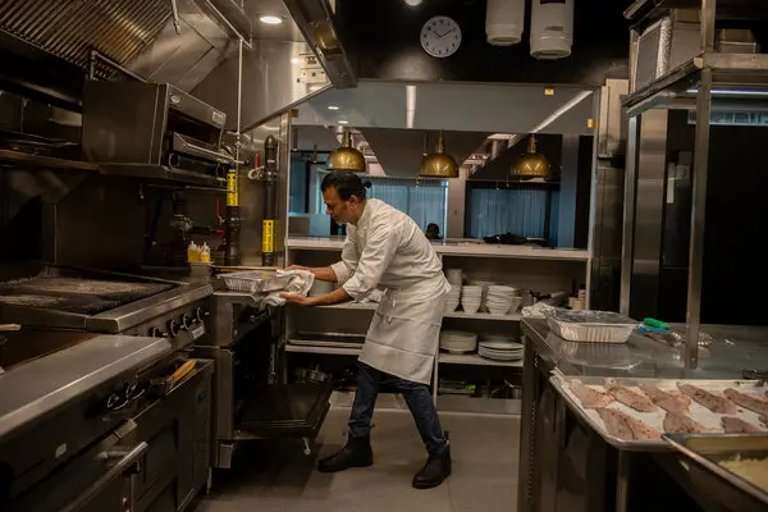
In Toronto’s bustling restaurant scene, a quiet revolution is bubbling beneath the surface — quite literally. From kombucha bars to Michelin-starred kitchens, fermentation has become the city’s latest culinary obsession. What was once the domain of traditional pickling has evolved into an art form, transforming humble ingredients into complex expressions of flavour, culture, and sustainability.
Chef-led experimentation is driving the movement. At restaurants like Grey Gardens and MIMI Chinese, chefs are embracing old-world techniques to craft sauces, misos, and vinegars from scratch. “Fermentation gives food life,” says chef Andrew Wu, whose fermented chili oil has developed a cult following. “It’s unpredictable, alive — you guide it, but you never fully control it.”
The appeal extends beyond taste. Fermentation offers a sustainable solution to kitchen waste, turning surplus vegetables and fruit peels into value-added products. Many chefs see it as both a creative challenge and an ethical responsibility. “In a city where food waste is a major issue, fermentation lets us stretch what we have,” explains pastry chef Mélanie Gagnon, who uses leftover apples to make her signature vinegar.
Toronto’s diversity has also shaped the trend. Korean kimchi, Japanese koji, Caribbean pepper sauces, and Eastern European kvass are all finding their way into contemporary menus. “We’re blending traditions in a way that could only happen here,” says food historian Dr. Samuel Pratt. “Fermentation is the perfect metaphor for Toronto — a mix of cultures that produces something entirely new.”
Workshops and community kitchens across the city have helped demystify the process for home cooks. Organizations like The Depanneur and The Stop Community Food Centre now offer fermentation classes, empowering residents to create their own kombucha, sauerkraut, or tempeh. The renewed interest in these age-old techniques has made them feel fresh again — and accessible.
Local producers are turning passion into business. Small-batch fermenters such as Alchemy Pickle Company and Culture City have cultivated loyal followings, supplying restaurants and markets across the GTA. “We started as hobbyists,” says Alchemy founder Sarah Glover. “Now we’re part of a movement that connects farmers, chefs, and eaters through shared curiosity.”
Scientists are paying attention, too. Studies from the University of Guelph suggest fermented foods may improve gut health and immunity — benefits that have fueled their popularity among wellness-minded consumers. But chefs caution against viewing fermentation purely as a health trend. “It’s about flavour first,” insists Wu. “Health is just the delicious side effect.”
For Toronto’s culinary scene, the fermentation boom is more than a fad — it’s a return to patience in a world of instant gratification. Each jar, crock, or barrel is a quiet collaboration between nature and craft. As the city’s kitchens continue to bubble and breathe, they remind us that transformation often begins in stillness — and that time, when respected, always tastes better.