Winter Rails: Canada’s Scenic Train Journeys Return in Style
2025-11-08 · By Andrew Clarke
From Ontario to the Rockies, slow travel by rail is making a comeback, offering comfort, nostalgia, and a front-row seat to Canada’s dramatic landscapes.
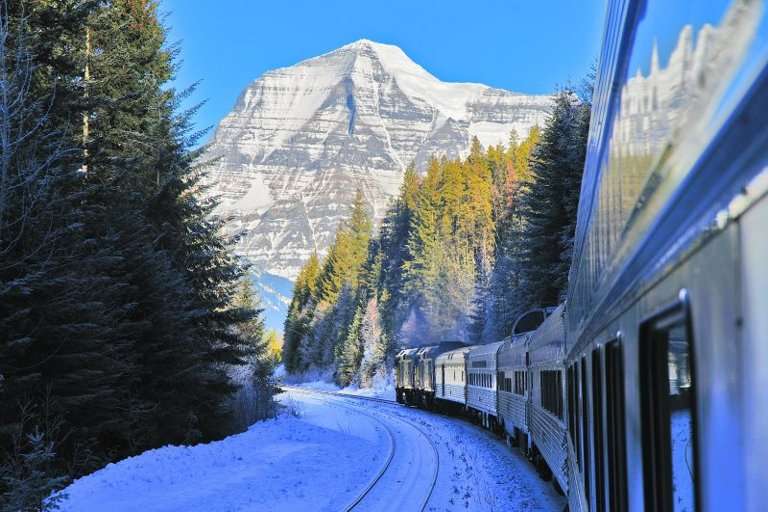
As snow drapes the landscape in white, a familiar sound returns to the Canadian wilderness — the low, steady rhythm of train wheels cutting through frost. Across Ontario and beyond, scenic rail journeys are making a comeback, reviving an era when travel was as much about the journey as the destination. For many, these trips offer a nostalgic yet sustainable alternative to highways and airports.
Canada’s national rail operator, VIA Rail, has seen a steady rise in winter ridership, particularly on routes connecting Toronto to Northern Ontario. The reimagined Canadian line, stretching west toward the Rockies, has become a bucket-list experience for travelers seeking slow adventure. “It’s travel that invites reflection,” says VIA spokesperson Michelle Cloutier. “You’re not rushing — you’re rediscovering the country.”
Luxury operators are also redefining the experience. Boutique trains like the Ontario Northland Excursion and private charters through Muskoka offer gourmet dining, glass-domed observation cars, and curated stops in remote communities. The combination of comfort and authenticity has drawn both international visitors and Canadians rediscovering their own backyard.
For photographers and writers, train travel captures something modern life often misses: the poetry of distance. Panoramic windows frame frozen lakes, pine forests, and small towns glowing under lamplight. Passengers chat with strangers over coffee, forming fleeting friendships that often outlast the trip. “It’s the opposite of isolation,” says traveler Paul Greer. “It’s connection through motion.”
Economically, the resurgence is breathing life into smaller towns. Stops along routes like Sudbury and North Bay have seen boosts in local tourism, with boutique inns and cafés catering to winter travelers. Municipal officials credit these renewed routes with creating sustainable jobs while reinforcing Canada’s heritage as a rail nation.
Environmental advocates also champion the trend. Compared to cars or planes, trains emit significantly less carbon per passenger. With rising fuel costs and public awareness of climate change, rail travel is increasingly viewed as a responsible — even romantic — alternative. VIA Rail’s upcoming hybrid-electric fleet, set to debut by 2026, promises to reduce emissions further.
There’s also a psychological appeal to rail travel that transcends convenience. In a world obsessed with speed, the deliberate pace of a train journey offers rare space for introspection. Watching the landscape unfold, passengers are reminded of Canada’s vastness and quiet resilience. “You see how big the country really is,” Greer adds, “and somehow, it makes you feel grounded.”
As the Canadian glides through snowy valleys and sleeping towns, the rhythmic hum of steel on track becomes a kind of meditation. Whether bound for the mountains or simply escaping routine, passengers find themselves moving not just across geography but through memory. On winter rails, Canada’s soul still rides the line between motion and stillness.