From Farm to Table: Toronto’s Local Markets Shape Sustainable Dining
2025-11-12 · By Oliver McLean
With an emphasis on traceable sourcing and community connection, the city’s food scene is becoming a model of responsible consumption and culinary creativity.
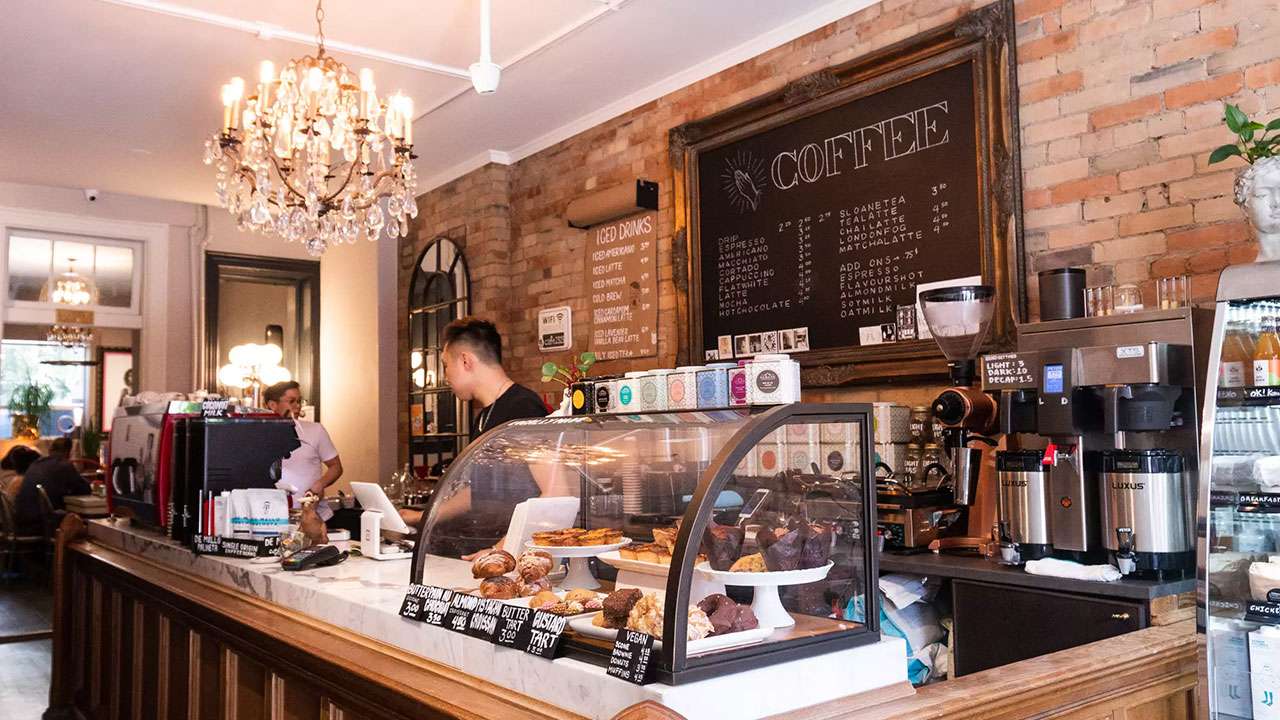
At dawn on a Saturday, the stalls at St. Lawrence Market begin to stir. Farmers unload crates of heirloom tomatoes, bakers stack fresh loaves still warm from the oven, and coffee steams through the chill. Toronto’s local markets have long been culinary landmarks, but in recent years they’ve evolved into something more — the beating heart of a sustainable food movement reshaping how the city eats.
The farm-to-table philosophy, once considered a niche ideal, has entered the mainstream. Across Toronto, chefs, producers, and consumers are working in tandem to shorten supply chains and strengthen local food resilience. “When people buy local, they’re investing in community,” says food systems researcher Maya Fontaine. “It’s an act of climate action as much as it is culture.”
From Evergreen Brick Works to the Leslieville Farmers’ Market, hundreds of small producers are redefining the city’s food economy. Many vendors operate within 100 kilometres of the GTA, cultivating seasonal produce and sustainable livestock. Shoppers no longer see markets as weekend excursions but as central to their grocery routines — proof that convenience and conscience can coexist.
Chefs are leading the charge. Restaurants such as Richmond Station, Canoe, and Field Trip now source nearly all ingredients from regional farms. “It’s not about being trendy,” says chef-owner Patrick Leduc. “It’s about accountability — knowing the hands that feed you.” His team even collaborates with growers to plan crops months in advance, aligning menus with harvests.
For farmers, the relationship offers stability. Direct sales to urban customers help offset the volatility of wholesale markets. Many credit Toronto’s renewed interest in local produce with keeping family farms afloat. “It’s not charity; it’s partnership,” says dairy farmer Elise Morgan from Simcoe County. “We know our customers by name — that’s what sustains us.”
Sustainability extends beyond sourcing. Market organizers are implementing zero-waste initiatives, from compostable packaging to on-site recycling programs. Several now operate “bring-your-own-container” systems, reducing single-use plastics. “We want to make sustainability habitual, not exceptional,” says market coordinator Jonah Patel of The Stop’s Farmers’ Market.
Technology has helped bridge the urban-rural divide. Digital marketplaces like The Market Box and 100km Foods connect local farms with Toronto households through weekly subscription boxes. During the pandemic, these services kept farmers in business and residents supplied with fresh produce, reinforcing the importance of food security close to home.
The impact goes beyond commerce. Markets have become gathering places — civic spaces where culture, sustainability, and social connection converge. Musicians perform, children learn about composting, and community groups share resources. “You don’t just shop here,” says Fontaine. “You participate in the ecosystem.”
Yet, challenges persist. Urban sprawl, rising fuel costs, and extreme weather threaten the delicate balance between affordability and ethics. Advocates say consistent government support and public awareness will be critical to maintaining progress. “Local food can’t be a luxury,” argues Patel. “It has to be accessible to everyone.”
As Toronto grows, its local markets stand as proof that sustainability can thrive within a metropolis. They remind the city that good food is not just consumed — it’s cultivated, shared, and sustained. Each purchase, each handshake, and each meal tell the same story: when a community feeds itself, it also nourishes its future.