Designing Calm: Minimalist Interiors Find New Meaning in Toronto Homes
2025-11-15 · By Rachel Singh
As the city grows denser, designers and homeowners alike are embracing minimalism to create tranquil, clutter-free environments that invite calm and reflection.
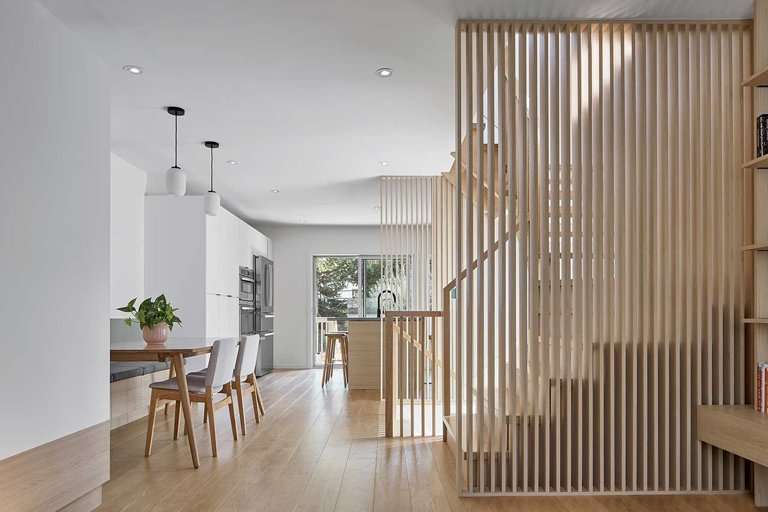
Across Toronto’s fast-growing skyline, homeowners and designers are quietly embracing a new design philosophy: minimalism with warmth. The shift toward calmer, uncluttered living spaces reflects not only aesthetic preference but also an emotional response to overstimulation. In a city where space is shrinking and pace is quickening, simplicity has become a form of self-care.
Architects say the movement goes beyond clean lines and neutral palettes — it’s about intentional living. “People are tired of visual noise,” says interior designer Marissa Lee, whose projects feature organic textures and natural light. “Minimalism today isn’t about stark white walls. It’s about finding serenity in materials that breathe.” Her clients, many working from home, seek rooms that restore rather than demand attention.
Toronto’s new condominiums and renovated heritage homes are reflecting this balance. Concrete floors meet soft wood accents; linen drapes replace heavy curtains; furniture doubles as storage. The trend is driven partly by necessity — smaller footprints — but equally by a psychological need for order amid uncertainty. “Clarity of space helps clarity of mind,” notes design researcher Tomás Rivera from Ryerson University.
Retail data supports the aesthetic pivot. Canadian furniture brands report a surge in demand for versatile, sustainably made pieces that prioritize function over excess. Many local artisans have responded by producing limited-edition, handcrafted collections that blend Scandinavian influence with subtle Japanese restraint — a look that feels both global and uniquely Toronto.
Homeowners also cite environmental mindfulness as a key motivator. Minimalist interiors naturally discourage overconsumption, aligning with the city’s growing emphasis on sustainability. Second-hand marketplaces and design co-ops have flourished, offering curated selections that extend the life of quality materials while reducing waste. “It’s about investing in fewer, better things,” says shop owner Daniel Lau of West End Design Collective.
Psychologists recognize another benefit of the minimalist home: improved mental health. Studies show that tidy, open environments can lower stress and promote focus, a finding echoed by Toronto residents who’ve downsized or decluttered during the past few years. As work, leisure, and family life increasingly overlap, intentional design helps restore separation — even within a single room.
In a metropolis defined by movement and density, Toronto’s minimalist renaissance speaks to a deeper desire for stillness. By stripping away excess, residents are crafting spaces that invite breathing room — literal and emotional. In the quiet geometry of clean spaces, a new kind of luxury emerges: peace that can be felt as much as seen.